How Submersible Sewage Pumps Prevent Fiber Wrapping
Submersible sewage pump technology, such as the advanced WQ series, uses engineered solutions to stop fiber wrapping in demanding sewage environments. Fiber wrapping can cause a sewage pump to lose efficiency and increase maintenance. Reliable pump operation ensures smooth sewage management and reduces costly downtime for users.
Fiber Wrapping in Sewage Pumps
What Is Fiber Wrapping?
Fiber wrapping happens when long, thin fibers found in sewage twist around the moving parts of a sewage pump. These fibers often come from household items, clothing, and packaging materials that enter the sewage system. As the pump operates, fibers can tangle around the impeller and shaft, forming thick bundles that block normal movement. This problem affects many sewage systems, especially in cities where wastewater contains a mix of synthetic and natural fibers.
The most common types of fibers found in municipal wastewater include:
| Fiber Type | Presence in Effluent/Sludge |
|---|---|
| Polyester fibers | High in primary and secondary effluent, more in sludge |
| Polyethylene (PE) | Common in both effluent types |
| Polypropylene (PP) | Found in both effluent types |
| Cellophane fibers | Present in primary effluent |
| Acrylic fibers | More present in sludge |
| Polymethylmethacrylate (PMMA) | Identified in wastewater |
| Polycaprolactone (PCL) | Identified in wastewater |
| Polyurethane (PU) | Identified in wastewater |
| Polystyrene (PS) | Identified in wastewater |
Impact on Sewage Pump Performance
Fiber wrapping can cause serious problems for a sewage pump. When fibers wrap around the impeller, the pump loses efficiency and cannot move sewage as quickly. The motor works harder, which increases energy use and raises costs. Blockages may force the pump to stop, leading to downtime and emergency repairs. Maintenance teams must remove tangled fibers, which takes time and resources. In severe cases, fiber wrapping can damage the pump and shorten its lifespan. Preventing fiber wrapping helps keep sewage flowing smoothly and reduces the risk of breakdowns.
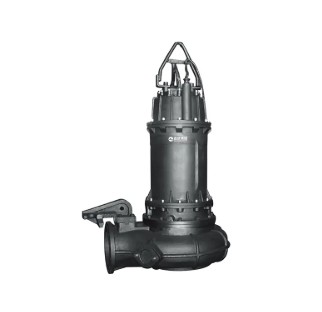
Features of Submersible Sewage Pump
Impeller and Anti-Clogging Design
Engineers have developed advanced impeller designs to address fiber wrapping in submersible sewage pumps. The WQ series uses a reamer system impeller, which features a strong duplex stainless steel cutter disc. This disc chops and tears solid fibers into fine particles. The crushed particles pass easily through the pump body and impeller, protecting the pump’s core components from blockage.
The WQ series stands out for its anti-clogging design. Compared to traditional sewage pump models, the WQ series offers several improvements:
| Feature | WQ Series Design | Traditional Design |
|---|---|---|
| Pump Casing Runner | Spacious, allows easy passage of solids | Typically narrower, may cause clogging |
| Fiber Wrapping Prevention | Optimized design reduces likelihood of wrapping | Higher risk of fiber wrapping |
| Mechanical Seal Layout | Unique layout minimizes clogging risk | Standard layout, more prone to issues |
| Operational Stability | Enhanced due to design features | Often less stable |
The hydraulic design of the WQ series also plays a key role in preventing fiber wrapping. The pump uses a wide flow channel non-clogging impeller, which ensures smooth discharge of particles and reduces the chance of fiber entanglement. Optimized blade geometry enhances the ability to pass particles, while a treated blade inlet edge specifically prevents fiber entanglement.
The mechanical structure of the WQ series further improves reliability and reduces maintenance. The pump includes a specialized impeller design that allows solids to pass easily, a robust pump casing runner that helps discharge sewage and dirt, and a mechanical seal configuration that enhances sealing and reduces leakage. The pump employs two independent single end-face mechanical seals arranged in series and installed internally. This setup minimizes leakage risk and extends the pump’s life. A special spiral slot prevents solid particles from accumulating on the mechanical seal, ensuring stable operation and reducing maintenance needs.
Self-Cleaning and Control Systems
Self-cleaning mechanisms in submersible sewage pumps use advanced hydraulic designs to enhance clog resistance. These designs push solids away from critical areas, which reduces the risk of blockages caused by fibrous materials. The impellers separate liquid and solid transport, so solids do not accumulate and pump efficiency remains high.
The WQ series features an automatic control system that improves operational safety and reliability. The specially developed electric control cabinet allows for automatic control, ensuring the motor operates safely under various conditions. This system helps users streamline their operations and maintain safety in sewage management.
The pump’s energy efficiency also benefits from these advanced features. The WQ submersible sewage pump saves energy and reduces operating costs while maintaining high performance. Its anti-wrap technology prevents clogging, which enhances operational reliability and longevity. These improvements are especially important in environments with solid waste.
Tip: Regularly checking the control system and self-cleaning mechanisms helps maintain optimal pump efficiency and reduces the risk of fiber wrapping.
Benefits and Maintenance Tips
Operational Advantages
Submersible sewage pump systems offer many operational advantages for users. They keep sewage flowing without interruption. The WQ series sewage pump uses advanced technology to prevent fiber wrapping. This feature reduces the risk of blockages and keeps the system running smoothly. Operators see less downtime and fewer emergency repairs. The automatic control system helps the sewage pump adjust to different conditions. This system protects the pump and increases pump efficiency. High energy efficiency means lower electricity bills and less impact on the environment. The pump also handles a wide range of flows and pressures, making it suitable for many applications.
Note: Reliable sewage pump operation leads to fewer maintenance calls and longer equipment life.
Sewage Pump Maintenance Tips
Proper maintenance keeps a sewage pump working at its best. Operators should check the control cabinet and self-cleaning features often. They should remove any visible debris from the pump area. Regularly inspect the impeller for signs of fiber buildup. Lubricate moving parts as recommended by the manufacturer. Test the automatic control system to make sure it responds correctly. Keep a maintenance log to track service and repairs. These steps help maintain pump efficiency and energy efficiency. A well-maintained sewage pump will provide reliable service and reduce unexpected costs.
Submersible sewage pumps with advanced features, such as the WQ series, prevent fiber wrapping and improve sewage management. Operators experience fewer blockages, lower maintenance, and better performance of pump systems. The table below highlights how these pumps enhance reliability:
| Feature | Benefit |
|---|---|
| Efficient design | Consistent performance in challenging conditions |
| Ability to handle solids | Smooth operation with debris |
| Dry-run protection | Extended pump lifespan |
Users should consider solids content, flow rate, and energy efficiency when selecting a pump. Fewer fiber wrapping incidents also reduce environmental risks, including fatberg formation and costly repairs.
FAQ
How does the WQ series submersible sewage pump improve performance in sewage management?
The WQ series submersible sewage pump delivers high performance by preventing fiber wrapping. This design keeps the pump running smoothly and maintains consistent performance in challenging sewage environments.
What maintenance steps help maintain the performance of submersible sewage pumps?
Operators should inspect the impeller, check the control system, and remove debris. These steps help maintain performance and reduce the risk of fiber wrapping in sewage pumps.
Why is performance important when choosing a submersible sewage pump?
Performance determines how well a pump handles solids and fibers. High performance reduces downtime, lowers maintenance costs, and ensures reliable sewage management for municipal and industrial applications.