How Live Water Transport Pumps Address Temperature Control Challenges
A live water transport pump helps control water temperature during transport. Stable water temperature keeps systems running smoothly and protects water quality. When water moves through pipes, temperature can change fast. Pumps like these keep water at the right temperature, making sure every part of the system works as it should.
Temperature Control Challenges in Water Transport
Risks of Fluctuating Temperatures
Water transport systems face many challenges when trying to keep temperatures stable. Operators must deal with varying climates, mechanical failure, and seasonal fluctuations. These factors can cause pumping problems and make it harder to maintain the right temperature during transfer. Jurisdictional differences and regulatory compliance also add complexity, especially when water moves across borders. Supply chain issues and equipment failure can disrupt the transfer process, leading to delays and increased costs. Seasonal variations, such as extreme heat or cold, require extra precautions to protect water quality and system performance.
Tip: Regular maintenance and monitoring help reduce risks from equipment failure and climate changes.
| Risk Type | Description |
|---|---|
| Water Quality | Fluctuating temperatures can affect water chemistry, lowering suitability for human use. |
| Aquatic Ecosystems | Temperature changes influence metabolism and decomposition in aquatic life. |
| Cyanobacterial Blooms | Warmer water can cause harmful blooms that threaten water quality. |
| Dissolved Oxygen | Higher temperatures reduce oxygen, stressing aquatic organisms. |
| Pathogen Survival | Increased heat can help pathogens survive longer in water. |
| Contaminant Toxicity | Temperature swings can make contaminants like ammonia more toxic. |
Effects on System Performance and Water Quality
Temperature instability impacts both system performance and water quality during transfer. Rising temperatures can change shipping channels, while flooding and storms disrupt water movement. Droughts lower water levels, making transfer more difficult. Extreme precipitation can add silt and debris, reducing channel accessibility and affecting performance. Cold water holds more oxygen, but warmer water decreases oxygen levels, which stresses aquatic life and lowers water quality. Thermal stratification separates warm and cool layers, limiting oxygen mixing and creating dead zones. Higher temperatures speed up chemical reactions, causing algae blooms and bacterial growth that compromise water quality. Factories discharging warm water can also cause thermal pollution, harming ecosystems and reducing overall performance.
Live Water Transport Pump Solutions
Advanced Temperature Regulation
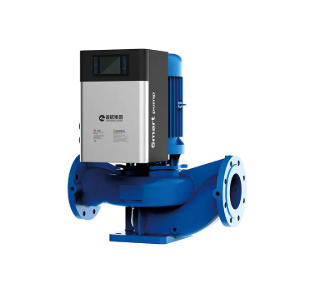
Modern live water transport pump systems use advanced temperature regulation to keep water at the right temperature during transfer. These systems must handle both hot and cold water, often in changing environments. The KTL/KTW Series Single-Stage Air Conditioning Circulation Pump stands out as a reliable solution. This pump supports a wide temperature range from -10℃ to 80℃, making it suitable for many applications. Its direct motor connection reduces vibration and noise, which helps maintain stable operation and temperature control.
Many pump systems now include features that help them work well in tough conditions. For example, N-Technology allows pumps to operate efficiently in high-temperature geothermal environments. Blockage prevention designs keep the flow steady and reduce the risk of temperature spikes caused by clogs. These features help the pump maintain a consistent maximum flow rate, which is important for temperature stability.
| Feature | Description |
|---|---|
| N-Technology | Handles extreme demands in high-temperature environments, ensuring efficient operation. |
| Blockage Prevention | Reduces blockages, keeping temperature regulation reliable and steady. |
Operators also benefit from advanced monitoring and control strategies. These strategies help optimize pump performance and address issues like scaling and biofouling. By following environmental regulations, pump systems protect both water quality and the environment.
Real-Time Monitoring and Adjustment
Live water transport pump systems now offer real-time monitoring and adjustment. These features help operators respond quickly to changes in temperature, flow, and pressure. The KTL/KTW series includes integrated monitoring tools that track key parameters such as flow rate, water level, and water quality. This real-time data helps operators keep the system running smoothly and avoid problems before they start.
Pump systems often include remote control options. Operators can adjust pump speed, flow, and temperature from a distance. Wireless monitoring uses Wi-Fi or Bluetooth to track pump performance and send alerts if something goes wrong. IoT sensors predict equipment failure by spotting patterns like overheating or clogging. Notifications and alerts warn operators about pressure changes or when maintenance is needed.
| Feature | Description |
|---|---|
| Real-time viewing and alarming | Monitors control panel, pumps, floats, alarms, and high amperage draws. |
| Excess run times | Tracks and reports on excessive operational durations. |
| Monthly reports | Provides documentation for system depreciation analysis. |
| Remote control | Manages pump speed, flow rate, pressure, temperature, and vibration in real-time. |
| Wireless operations monitoring | Uses Wi-Fi and Bluetooth for managing pump operations and monitoring various parameters. |
| Equipment failure prediction | IoT sensors identify patterns indicating potential issues like overheating and clogging. |
| Notifications and alerts system | Provides alerts for performance issues, including pressure alarms and maintenance reminders. |
| Integrated I/O monitoring | Monitors current, voltage, frequency, pressure, flow, water level, and water quality. |
These features help maintain a steady maximum flow rate and keep the water at the right temperature. Real-time monitoring also supports better decision-making and reduces downtime.
Automated System Integration
Automated system integration has changed how live water transport pump systems work. Modern control systems watch critical parameters like temperature, flow, and pressure. When the system detects a change, it automatically adjusts the pump or fans to keep everything stable. This automation helps the pump maintain its maximum flow rate and ensures water moves at the right speed and temperature.
Automated solutions bring several benefits:
- Improved efficiency: Automated controls optimize pump operation, saving energy and lowering costs.
- Enhanced accuracy: Automation keeps water quality parameters within safe limits.
- Better operational performance: Real-time adjustments reduce downtime and improve reliability.
The KTL/KTW Series Single-Stage Air Conditioning Circulation Pump meets international standards like ISO 2858 and GB 19726-2007. These standards show the pump’s energy efficiency and high performance. Liancheng’s long history in the industry, since 1993, supports the reliability of its pump systems. The company invests in research and development, uses technical expertise, and tests every pump before delivery. Custom designs and rigorous testing ensure each pump system meets high standards.
| Standard | Description |
|---|---|
| ISO 2858 | International standard for centrifugal pumps |
| GB 19726-2007 | National standard for energy efficiency in centrifugal pumps |
| Evidence Point | Description |
|---|---|
| Industry Experience | Liancheng has been in the industry since 1993, showing deep expertise. |
| R&D Commitment | Focus on research and development improves product reliability. |
| Technical Expertise | Skilled teams ensure high performance standards for all pumps. |
| Custom Designs | Tailored solutions meet specific needs for different pump systems. |
| Rigorous Testing | Every pump undergoes thorough testing before delivery. |
Automated integration, advanced temperature regulation, and real-time monitoring make live water transport pump systems more reliable and efficient. These solutions help operators maintain water quality, save on operational costs, and ensure a steady maximum flow rate in every application.
Benefits and Applications of Pumps
Reliability and Consistency
Pumps play a key role in keeping water transport systems reliable. Advanced pump systems deliver steady flow, which helps maintain product quality and reduces waste. Modern pump designs lower mechanical wear, so parts last longer and need fewer repairs. Automation in pump systems allows real-time adjustments, making sure the flow stays consistent even when conditions change. Facilities using advanced pumps have seen up to 40% less unplanned downtime and a 15-20% drop in energy bills for fluid handling.
| Improvement Type | Description |
|---|---|
| Consistent Output | Steady flow rates enhance product quality and minimize waste. |
| Reduced Mechanical Wear | Fewer friction points extend component life and reduce overhaul costs. |
| Automation Compatibility | Advanced controls allow real-time adjustments for maximum efficiency. |
| System Reliability | Dependable systems reduce unscheduled maintenance and interruptions. |
| Reduced Downtime | Up to 40% reduction in unplanned downtime reported. |
| Energy Efficiency | 15-20% reduction in energy bills for fluid handling. |
Water Quality and Longevity
Pump systems help protect water quality and extend the life of water infrastructure. Proper installation of pumps prevents breakdowns. Regular maintenance of pump systems finds issues early, stopping major problems before they start. Submersible pumps must stay fully submerged to avoid damage, showing the importance of correct operation. Systematic maintenance and predictive strategies keep pump systems reliable, which is vital for high quality drinking water. If a pump fails, water treatment can stop, letting untreated water enter the system. Reliable pump operation ensures safe water distribution.
- Proper installation prevents breakdowns.
- Regular maintenance finds issues early.
- Submersible pumps need to stay submerged to avoid damage.
- Systematic maintenance keeps pump systems reliable.
- Pump failures can disrupt treatment, harming water quality.
Industrial and Environmental Uses
Pump systems serve many industries and help protect the environment. In water supplies, pumps keep flow steady in public and industrial treatment plants. Farmers use pumps for irrigation, moving large amounts of water to crops. Sewage treatment plants rely on pumps to move wastewater through each stage. Pumps also remove water from flooded areas and construction sites. Eco-friendly pump systems save water and protect aquatic ecosystems by not releasing pollutants. Sustainable pumping supports natural water cycles and wildlife.
| Benefit | Explanation |
|---|---|
| Water Efficiency | Pumps optimize water use, reducing waste. |
| Protection of Aquatic Ecosystems | Pumps operate without releasing pollutants, preserving lakes and streams. |
| Alignment with Natural Cycles | Sustainable pumping supports ecological balance and habitats. |
Pump systems offer cost savings and flexibility. Improved designs and materials lower capital costs by up to 12%. Energy-efficient pumps cut electricity bills, and reduced maintenance means less labor. Durable components, like rust-proof casings, extend pump life. Flexible installation options make pump systems easy to fit in different settings, from air conditioning and heating to water treatment.
Tip: Choosing the right pump system can lead to long-term savings and better water quality.
Live water transport pumps, including the advanced KTL/KTW series, solve temperature control challenges with reliable technology. Case studies show that feedforward control strategies reduce temperature swings and improve consistency:
| Key Takeaway | Impact on Temperature Control |
|---|---|
| Implementation of feedforward control strategies | Reduced overshoots and undershoots in temperature |
| Improved control performance | Achieved more consistent behavior at reaction temp |
| Reduction in batch cycle times | Decreased by 10% |
These pumps also help maintain water quality in real-world projects by using IoT for real-time monitoring, energy-efficient designs, and advanced filtration. Industry experts recommend choosing pumps based on temperature needs and material compatibility. Users gain peace of mind, lower costs, and steady water quality with these solutions.
FAQ
How do live water transport pumps help in a water treatment plant?
They move water efficiently through each stage. This keeps the process smooth and helps maintain high water quality for safe use.
What makes the KTL/KTW series reliable for temperature control?
The KTL/KTW series uses advanced design. It operates across a wide temperature range and reduces vibration, which supports stable performance.
How pump systems work to maintain water quality during transport?
They use sensors and controls. These features adjust flow and temperature, which protects water from contamination and keeps it safe.